Is Tinnitus a Brain or Ear Disorder?
Tinnitus can involve both the ear and the brain. This page explains the basic idea in plain language without making medical claims.
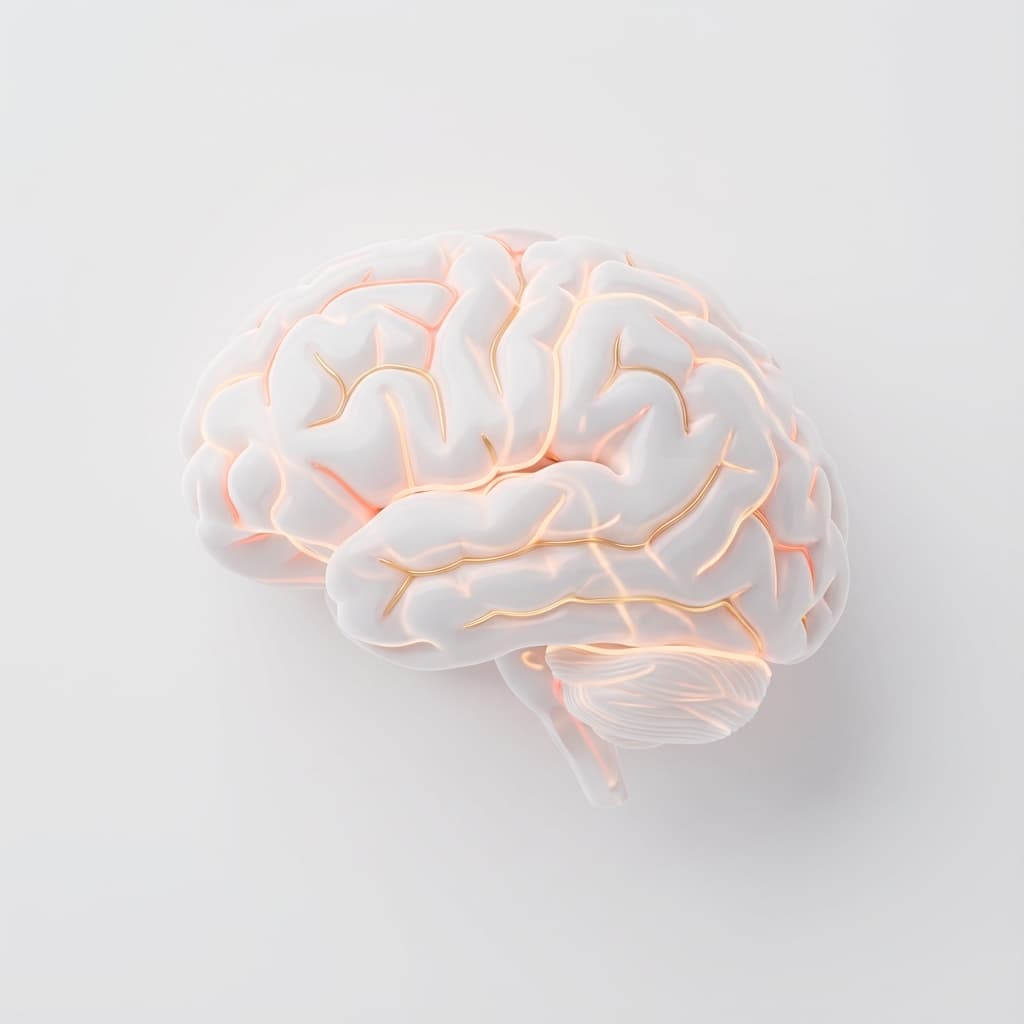
The question of whether tinnitus is a brain or ear disorder reflects a common oversimplification of a complex condition. In reality, tinnitus typically involves both peripheral (ear-related) and central (brain-related) mechanisms, and the balance varies from person to person. Understanding this dual nature helps explain why management approaches often need to address multiple aspects simultaneously and why different people respond differently to various treatments.
Ear-related factors are often the initial trigger for tinnitus. Damage to hair cells in the inner ear—whether from noise exposure, age-related changes, infections, or other causes—can disrupt the normal transmission of sound signals to the brain. When these cells are damaged, they may send abnormal or reduced signals, creating a mismatch between what the ear detects and what the brain expects to receive. This can trigger the brain to generate phantom sounds to fill the perceived gap, resulting in tinnitus perception.
However, the brain's role goes far beyond simply responding to ear signals. The brain processes, interprets, and assigns meaning to auditory information, and it can amplify or suppress signals based on attention, emotion, and context. Even when tinnitus originates from ear damage, the brain's processing determines how noticeable, distressing, and persistent the symptoms become. The brain can maintain tinnitus perception long after the original trigger has resolved, create emotional associations that increase distress, and direct attention toward the sound in ways that make it feel louder and more intrusive.
Central mechanisms are particularly important in understanding why some people with similar ear damage experience vastly different levels of tinnitus distress. Two people with comparable hearing loss may have dramatically different tinnitus experiences—one barely notices it while the other finds it severely disruptive. This difference often relates to how the brain processes and responds to the signals, including factors like stress levels, attention patterns, emotional associations, and learned responses. This is why psychological approaches like cognitive reframing, stress management, and attention training can be effective even when the underlying cause involves physical ear factors.
The practical implication of understanding tinnitus as both an ear and brain phenomenon is that effective management typically requires a multi-faceted approach. Sound therapy addresses the acoustic environment and can help reduce the contrast between tinnitus and silence. Tracking and routine-building help identify patterns and create structure. Stress management and cognitive techniques address the brain's processing and emotional response. Rather than asking whether tinnitus is "really" an ear or brain problem, it is more productive to recognize that both systems are involved and to use management strategies that address multiple aspects simultaneously.

When this is useful
- •You want a conceptual overview of tinnitus mechanisms.
- •You have heard it described as "brain" or "ear" and want clarification.
When this may not help
- •You need a diagnosis of the source of your tinnitus.
- •You expect this to determine your treatment path.
What you can do now
- 1Use this understanding to inform conversations with your clinician.
- 2Focus on management regardless of origin; sound therapy and tracking can help either way.

TinnitusBuddy features used
Frequently asked questions
Is tinnitus a brain or ear disorder?
It can involve both. Some tinnitus is linked to ear or hearing pathway changes; the brain may also generate or amplify the sensation. The balance varies.
Is tinnitus a brain or ear problem?
Both pathways can be involved. Explaining it as purely one or the other is often an oversimplification.
Does it matter where tinnitus comes from for treatment?
A clinician can tailor evaluation. For self-management, sound therapy and tracking are often useful regardless of the primary source.
Related pages
Next step in the app
Open TinnitusBuddy and apply one routine from this page for 7 days before changing multiple variables.
Explore the iPhone app →Medical disclaimer
This page is educational and does not provide medical diagnosis or treatment. Seek qualified medical care for urgent or worsening symptoms.